
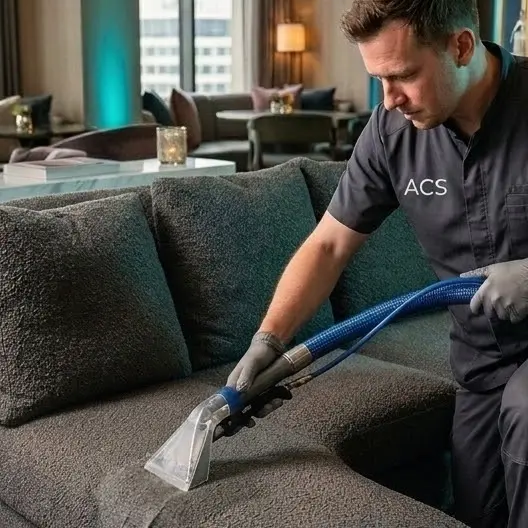
The Material Matters More Than the Method
Most people think upholstery cleaning is about who has the most powerful machine or the strongest chemical. It isn't. The equipment is just a tool; the real skill is in understanding the fibre you're touching. If you treat a delicate viscose blend like a durable polyester, you won't just fail to clean it—you'll permanently distort the pile or strip the dye. A single mistake with pH levels on a high-end fabric can turn a legacy investment into a disposable piece of furniture in under ten minutes.
Wool and Mohair: The Legacy Fibres
Wool is a protein fibre, which means it behaves more like hair than plastic. It has a natural scales-like structure and a built-in wax called lanolin that protects it. Because of this, wool is incredibly durable if treated correctly, but it is highly sensitive to alkaline cleaners. If a technician uses a high-pH detergent, they risk "burning" the fibre, leaving the fabric feeling brittle and looking dull. This is why we focus on low-pH, specialised detergents that preserve the natural oils of the wool.
In many Glasgow homes, especially the larger Victorian conversions in the West End, you'll find heavy wool blends or mohair that were built to last a century. These aren't temporary trend pieces; they are investments. The goal isn't just to remove a stain, but to maintain the structural integrity of the fibre so the piece survives another fifty years. Over-wetting these fabrics is a common mistake—too much water can cause shrinkage or "browning" as the dyes migrate to the surface.
Synthetic Blends: The Challenge of Oleophilic Fibres
Polyester and polypropylene are entirely different beasts. They are essentially plastics, meaning they are oleophilic—they love oil. While wool repels water to an extent, synthetics attract oily soils from skin and cooking fumes, locking them deep into the weave. I once dealt with a modern velvet sofa that looked pristine but felt tacky to the touch; the previous cleaner had used a water-based method that simply pushed the oils deeper into the synthetic core rather than lifting them out.
Cleaning these requires a chemistry that breaks the bond between the oil and the plastic fibre without melting the fabric. Because synthetics don't absorb water the way natural fibres do, the extraction process must be precise. If you leave too much moisture in a synthetic blend, you aren't just risking a slow dry-time; you're creating a breeding ground for mildew in the foam padding beneath the fabric.
The Question You Should Ask Any Cleaner
Before you let anyone touch your furniture, ask them: "How do you determine the pH requirements for my specific fabric?" If they can't explain how they test for acidity or alkalinity, or if they claim one chemical works for everything, they are gambling with your investment. We follow NCCA standards because they prioritise material testing over guesswork. We guarantee our work because we don't guess—we identify the fibre first, then choose the chemistry to match.

Deep fibre restoration: 20 years of proven results.
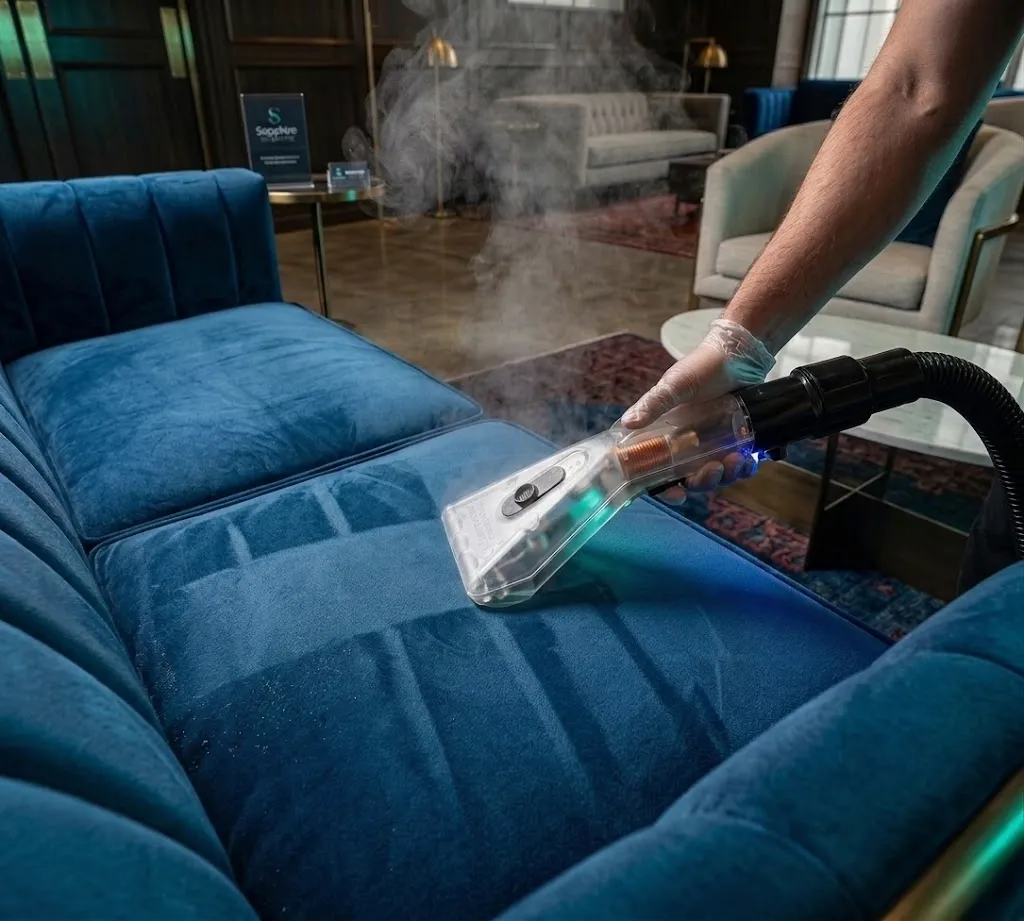
Advanced low-moisture cleaning for delicate fabrics.
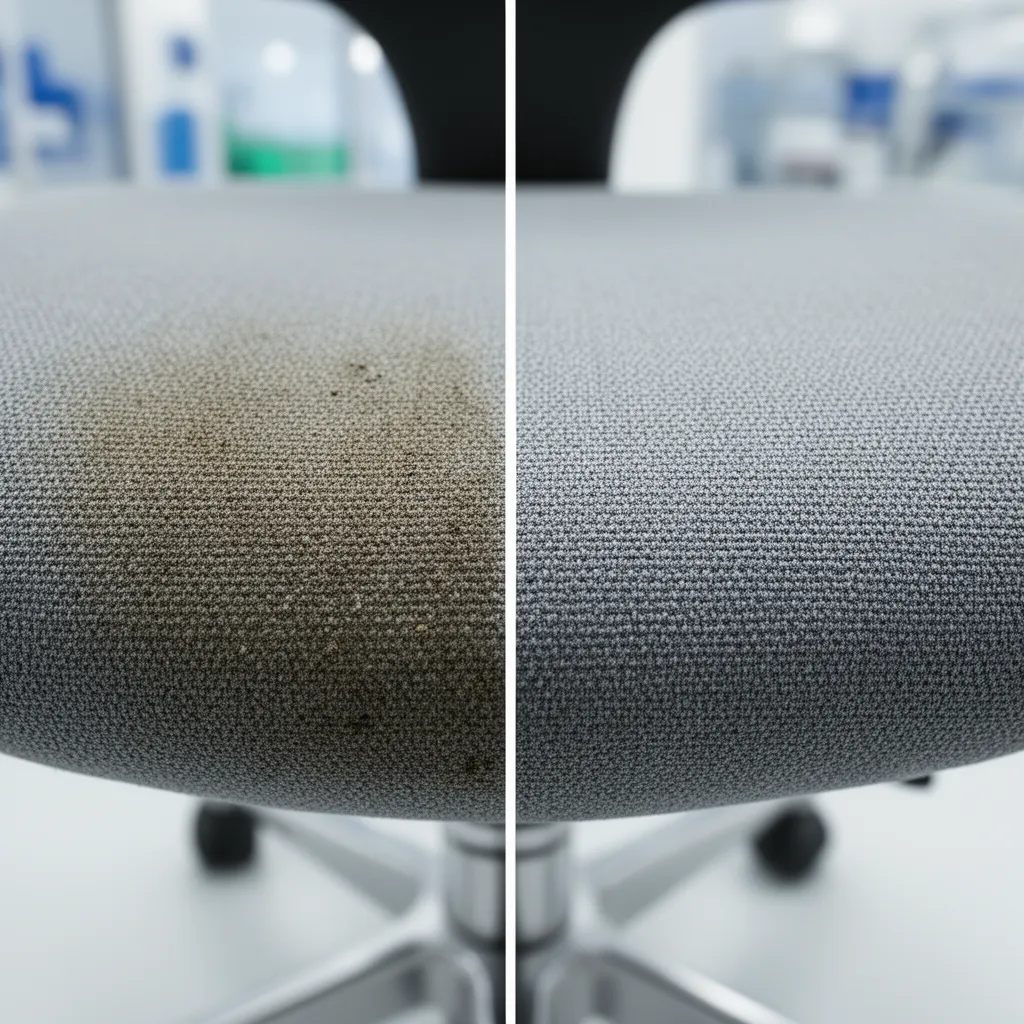
Molecular colour restoration: preserving your furniture investment.
Ready to Refresh Your Environment?
Get a no-obligation quote or a free site survey today.
Frequently Asked Questions about Upholstery Cleaning Glasgow
Can you clean velvet upholstery?
Yes, but it depends on the material. Cotton velvet requires a dry-cleaning approach to avoid crushing the pile, while polyester velvet can often handle a low-moisture extraction. We identify the fibre first to avoid permanent flattening.
How do I know if my sofa is wool or synthetic?
A simple way is the 'touch and feel' test—wool feels warmer and slightly coarser, while synthetics often feel smoother or 'plasticky'. However, we always perform a professional fibre test and a colour-fastness check in an inconspicuous area before starting.
What happens if the wrong chemical is used on my fabric?
Using a high-alkaline cleaner on protein fibres like wool or silk can cause 'browning' or permanent shrinkage. Conversely, using a wool-safe neutral cleaner on a heavily soiled synthetic may leave behind oily residues because the chemistry isn't strong enough to break the lipid bond.